
Resin Flooring vs Tiles: A Practical Comparison
Tiles have been the default hard floor for decades. But resin is rapidly overtaking them in modern residential and commercial design. Here is why.
Grout and Hygiene
The biggest flaw of any tiled floor is the grout. Grout lines are porous. They trap dirt, absorb spills, harbour bacteria, and inevitably discolour over time. Maintaining a tiled floor means constantly scrubbing grout lines to keep them looking fresh.
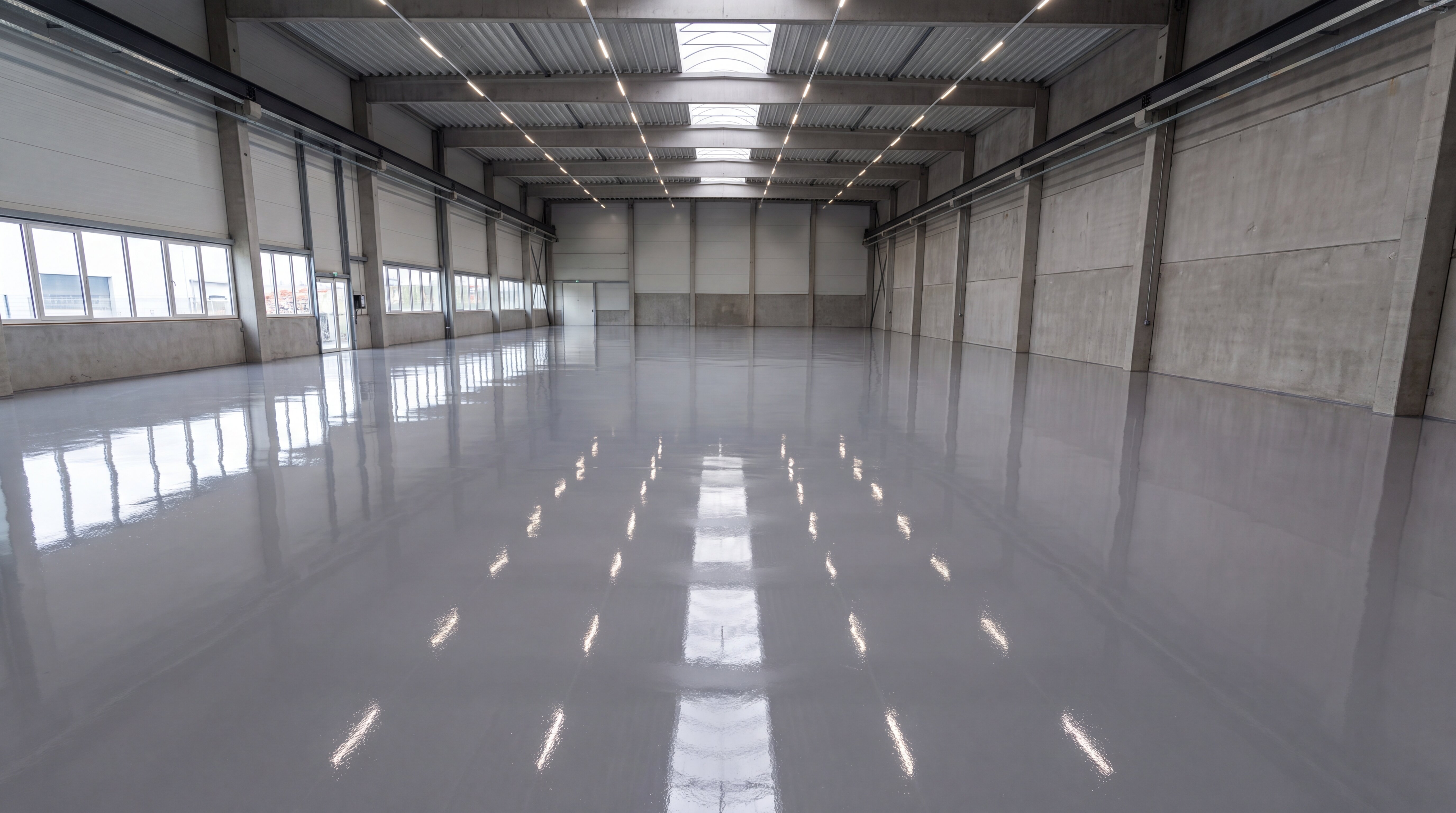
Resin floors are completely seamless. There are no joints, crevices, or grout lines. A quick mop over a polyurethane resin floor cleans the entire surface evenly. For hygiene-critical environments, resin is the only sensible choice.
Durability Under Traffic
Ceramic and porcelain tiles are hard but brittle. Drop a heavy pan in the kitchen, or a tool in the garage, and a tile will crack. Repairing it means chipping it out, matching a spare (if you have one), and re-grouting.
Resin floors, particularly polyurethane and heavy-duty epoxy, have high impact resistance. They absorb blunt force that would shatter a tile.
Comfort Underfoot
Tiles are cold and hard. Standing on tiles for extended periods—whether cooking at home or working in a retail environment—causes fatigue.
Poured polyurethane comfort floors offer a slight, imperceptible cushioning. They are softer underfoot, reduce ambient noise (unlike tiles which echo), and feel inherently warmer. Both systems work perfectly with underfloor heating.
Installation Time and Disruption
Tiling a large commercial space or an entire ground-floor extension takes weeks of labour.
Resin is applied in liquid layers. Once the floor is prepped, the pouring and curing process is remarkably fast. Large areas can be installed in a fraction of the time it takes to tile, reducing labour costs and site disruption. For commercial projects, MMA fast-cure resins can be traffic-ready in just two hours.
Lifetime Cost
High-end large-format porcelain tiles and poured resin sit in a similar price bracket for initial installation (see our pricing guide). However, the lifetime cost of resin is often lower. There is no grout to replace, and when the floor eventually shows wear after a decade or more, it can be sanded back and recoated for a fraction of the cost of ripping up and replacing tiles.
Summary Comparison
| Feature | Resin Flooring | Tiles |
|---|---|---|
| Hygiene | Excellent (seamless) | Poor (porous grout lines) |
| Impact Resistance | High (absorbs impact) | Low (brittle, cracks easily) |
| Comfort Underfoot | Warm and slightly cushioned | Cold and rigid |
| Installation Speed | Fast (large areas poured quickly) | Slow (individual placement) |
Frequently Asked Questions
Ready to Ditch the Grout?
Contact us for a seamless resin flooring quote.